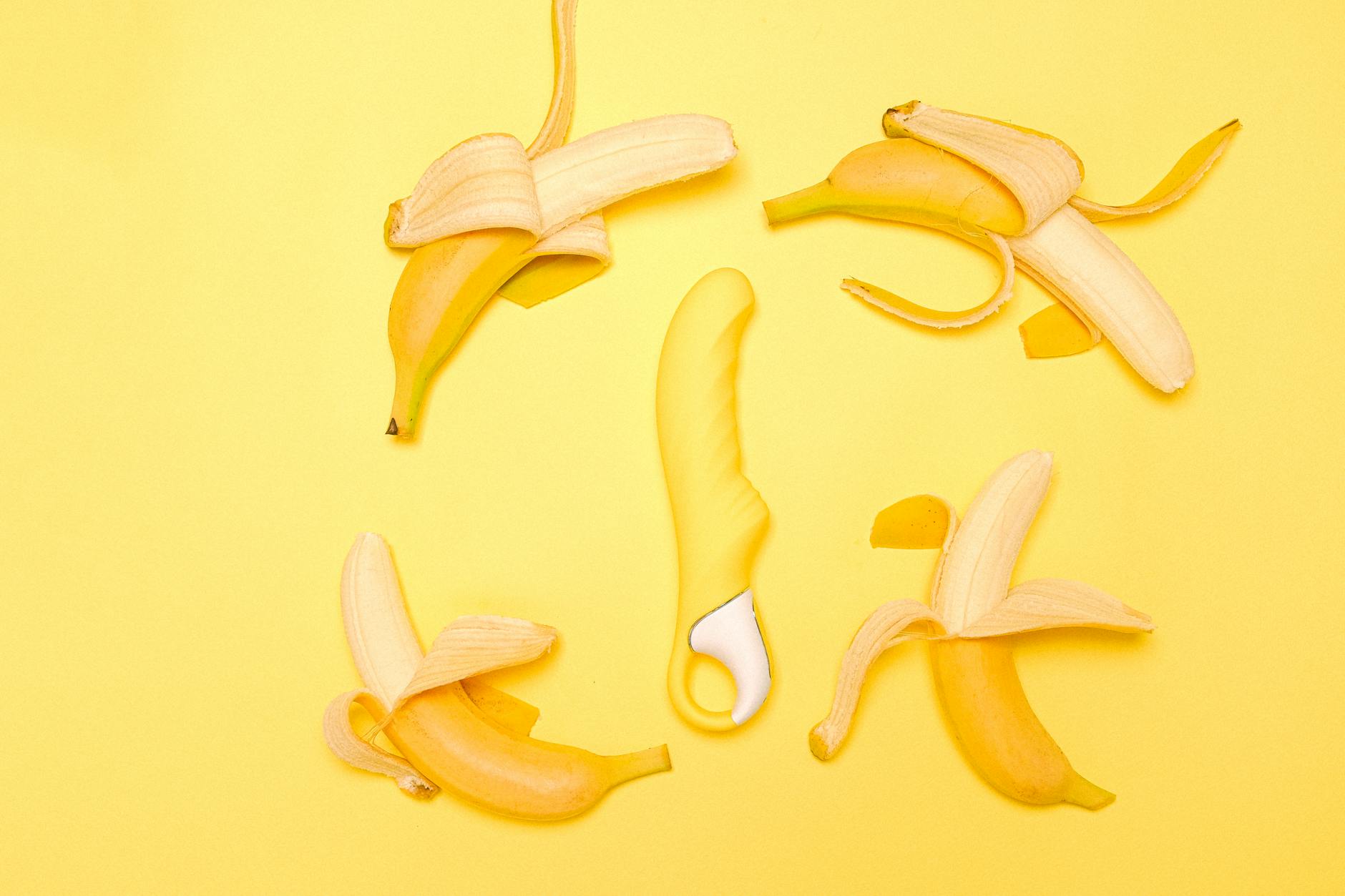
How Lemon Vibrators Work Differently When Sensation Changes After Menopause
Menopause changes how your clitoris responds to touch. Here's the part nobody explains: it doesn't make you less capable of pleasure. It makes pleasure require a different approach.
When estrogen drops, the tissue around your clitoris gets thinner. Blood flow to the area can become less responsive at first. The nerves themselves don't die or disappear. They just need different stimulation to light up the same way they used to. That's where a lemon vibrator, specifically a suction-based lemon clitoral vibrator like the Lem, starts to make real sense for post-menopausal bodies.
I've worked with hundreds of couples navigating this transition, and the pattern is always the same. People assume something is broken. Usually, they just need better tools and a realistic timeline. This is fixable.
Why suction works better for post-menopausal sensation
A traditional vibrator moves side-to-side or up-and-down. It applies pressure to thinned tissue, and that pressure can feel uncomfortable or numb rather than electric. A lemon sucker, by contrast, uses gentle suction to engage the clitoral tissue without relying on friction or direct pressure.
Think of it this way. Your clitoris after menopause is more like a delicate structure that needs gentle coaxing rather than direct force. Suction stimulation pulls blood flow into the tissue and engages nerve endings in a way that side-to-side vibration simply cannot match once estrogen levels drop.
Research on suction devices shows they create a different pattern of nervous system activation than traditional vibrators. The clitoral nerves respond to suction in a way that feels almost immediate, even when sensation feels flat or distant. Many of my clients report that using a lemon vibrator with suction literally returns sensation they thought had disappeared.
What changes in your clitoris during and after menopause
Let's get specific about the physiology because it matters for understanding how to use a lemon clitoral vibrator effectively.
Estrogen supports collagen production in genital tissue. When estrogen drops, that collagen production slows. The tissue becomes thinner and less elastic. At the same time, blood vessels in the clitoral area become less responsive to arousal. Arousal takes longer. The clitoris may not plump up and become visible the way it used to during early arousal.
Your clitoral glans, the visible part, has roughly 8,000 nerve endings packed into a space the size of a pea. Those nerves don't disappear with menopause. But the tissue surrounding them changes. Thinner tissue means less cushioning, so direct vibration sometimes feels too intense or creates a numb sensation rather than pleasure.
The clitoral shaft, the internal structure extending upward, also changes. It becomes less engorged during arousal. Some people experience shallower sensations or feel orgasms in a different part of their body.
Here's what doesn't change: the neural pathways for pleasure remain intact. Your brain still processes arousal the same way. Your capacity for orgasm doesn't disappear. You're not broken.
How a lemon sucker restores sensation you thought was gone
A suction-based lemon vibrator works by creating a gentle vacuum around the clitoral tissue. This does three important things for post-menopausal bodies.
First, it increases blood flow without requiring that blood to arrive naturally through arousal. The suction literally pulls blood into the clitoral area, which plumps the tissue slightly and makes it more responsive. This matters enormously when your body is slower to arouse naturally.
Second, suction engages the clitoral nerves in a different way than vibration alone. The gentle pulling sensation activates nerve fibers that traditional vibrators miss. People often describe it as "waking up" sensation that felt numb or distant.
Third, suction creates a sealed environment around the clitoral head. This sustained pressure builds sensation gradually rather than providing shock-and-awe vibration. For post-menopausal bodies, this gradual build often feels more natural and sustainable.
Starting with lower patterns and longer warm-up time
If you've used traditional vibrators before menopause and now sensation feels different, resist the urge to jump to high intensity. Your tissue is more sensitive now, not less responsive. High intensity on thinned tissue can feel overwhelming or create irritation.
Start with pattern one or two on a lemon vibrator. Spend 15 to 25 minutes in foreplay before using the device. Your body needs time to build arousal naturally before adding stimulation. This isn't weakness. It's realistic physiology.
I recommend starting with dry contact first. Let the device sit against your clitoris without suction activated, just to get used to the sensation and the pressure. Then slowly increase suction intensity as you feel ready. Many people find that low suction for an extended time feels better than high suction for a short burst.
Lubrication matters more now, even with suction
You might think a suction device wouldn't need lubrication. You'd be wrong. Water-based lubricant creates a better seal for suction and also protects thinned tissue from any irritation.
Apply a small amount of water-based lube around your clitoral area before using a lemon clitoral vibrator. This does two things. It improves suction seal and creates a protective barrier that makes sensation feel more comfortable and skin feels less raw afterward.
Don't use silicone lube with silicone-based toys like many lemon vibrators. Water-based only. The silicone lube will degrade the toy over time.
How sensation might surprise you in positive ways
Here's what I tell my clients when they're nervous about post-menopausal pleasure. Yes, sensation changes. But many people experience more intense orgasms after menopause than they ever did before.
This happens for a few reasons. Mental distraction lifts. The need to perform for a partner often softens. Permission to be selfish with your own pleasure increases. And when you finally understand your body's new requirements, you can actually work with them instead of against them.
Using a lemon sucker for the first time post-menopause can feel surprising. The sensation is often different than you expected. Not worse. Different. More localized sometimes. Deeper in other ways. Slower to build but often more sustainable.
When to reach out to a healthcare provider
If you experience pain during stimulation, don't assume that's normal menopause. Genitourinary syndrome of menopause (GSM) is real and treatable. A gynecologist trained in menopause can prescribe topical estrogen creams that have minimal systemic absorption and transform sensation within weeks.
If sensation doesn't return even with consistent use of a lemon vibrator and extended warm-up time, that's worth mentioning to your healthcare provider too. Sometimes additional support helps. A conversation about testosterone therapy might be useful if desire completely disappeared alongside sensation changes.
FAQ
Will a lemon clitoral vibrator feel too intense after menopause?
Not if you start low and work up. The Lem and similar lemon suckers have adjustable intensity precisely for this reason. Begin at pattern one or two. Your tissue isn't more fragile. It's just more responsive to different types of stimulation. Suction actually tends to feel gentler and more sustainable than traditional vibration on thinned tissue.
How long before I feel sensation return when using a lemon vibrator?
That varies widely. Some people feel immediate difference in a single session. Others notice changes over a week or two of regular use. Consistent use matters more than intensity. Using your device three to four times per week with patience and extended warm-up tends to build sensation faster than occasional high-intensity use.
Can hormone therapy and a lemon sucker be used together?
Absolutely. If you're using topical estrogen cream or considering systemic hormone therapy, a lemon vibrator complements that treatment beautifully. The estrogen supports tissue regeneration while the suction engages your nerves in real time. Many people find that combination accelerates sensation recovery.
Should I use a lemon vibrator with my partner or alone first?
Start alone. You need time to understand your body's new responsiveness without performance pressure or coordination concerns. Once you've spent a few sessions with the device alone and understand what patterns and timing feel best, introducing it to partnered sex becomes easier and more pleasurable for everyone.
Does the sensation from a lemon clitoral vibrator feel different than before menopause?
Yes, often. Orgasms might feel more concentrated or deeper. The build-up is typically slower. Some people experience sensation more in their clitoral head, others in the internal clitoral structures. That's not worse. It's different. Most of my clients report they prefer post-menopausal sensation once they've adjusted to it because it feels more controllable and sometimes more intense.
Is using a lemon vibrator during menopause medically safe?
Completely. A high-quality lemon clitoral vibrator poses no medical risk. Clean it before and after use with warm water and mild soap, store it in a cool place, and use water-based lubricant. If you have a specific health condition or take medications that affect blood flow, mention it to your healthcare provider, but routine vibrator use is safe and beneficial for maintaining sexual function during midlife transitions.
The bottom line
Menopause changes sensation. It doesn't end pleasure. A lemon vibrator works differently with post-menopausal bodies because it meets tissue changes with the right kind of stimulation. Start low. Give yourself extended warm-up time. Use water-based lubricant. Pay attention to what feels good rather than what used to feel good.
Your pleasure matters as much now as it ever did. The mechanics just require adjustment. That adjustment is completely doable, and many people find their most satisfying sexual experiences arrive after menopause rather than before. You're not broken. You just need the right approach.
If you're navigating these changes with a partner and feeling disconnected, that's worth addressing separately from the physical piece. Communication often needs its own attention during midlife transitions. A conversation about desire, expectation, and what each of you needs helps tremendously. That's where I often see couples rebuild the deepest intimacy of their relationship.
Ready to explore what works for your body now? Start with a lemon clitoral vibrator and patience. The sensation that feels distant right now can return more powerfully than you might expect.