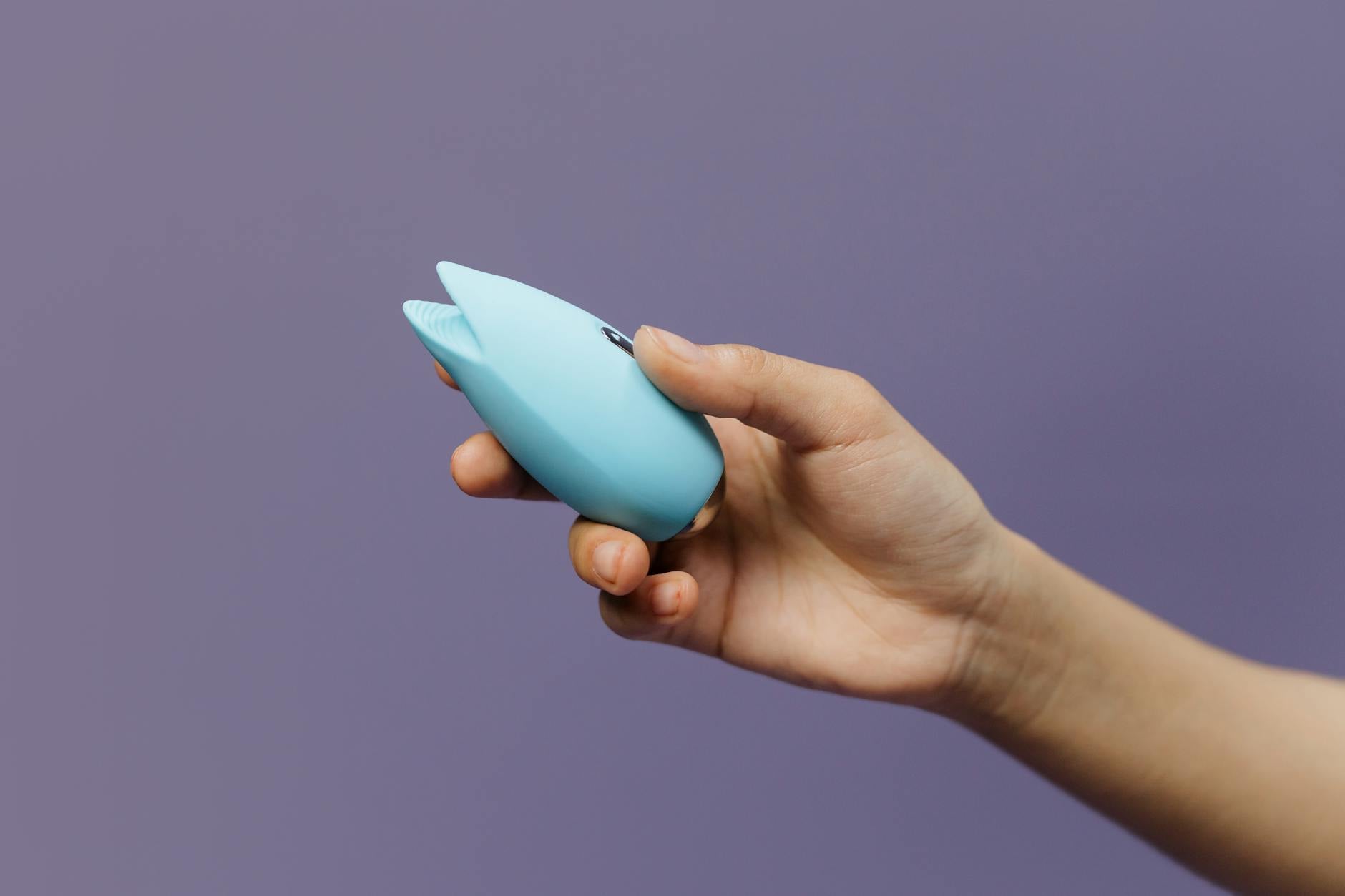
How to Use a Lemon Vibrator When Your Partner Seems Hesitant About Toys
Let's be real. You want to try a lemon clitoral vibrator. Your partner gets quiet when you mention it. Maybe they think it means you're not satisfied. Maybe they feel replaced or inadequate. Maybe they're just uncomfortable talking about sex toys at all.
Here's the thing: hesitation isn't a "no." It's usually anxiety wearing a defensive mask. And the way you introduce the idea matters more than the toy itself.
Why partners get nervous about vibrators
It's almost never about the vibrator. It's about what they think it means.
Many people grew up with the message that sex toys are a sign something is broken. If you need one, the logic goes, your partner isn't enough. That's backward, but it's everywhere. Your partner might also worry that if you use a lemon vibrator with them, they'll become invisible. Or they'll be bad at sex by comparison. Or you'll prefer it to them.
None of this is true, but the anxiety is real and it deserves respect.
The other piece: some people are just shy. They didn't grow up talking about sex. Suggesting a vibrator can feel like suggesting their naked body isn't interesting. If that's your partner, the conversation itself feels riskier than the actual toy.
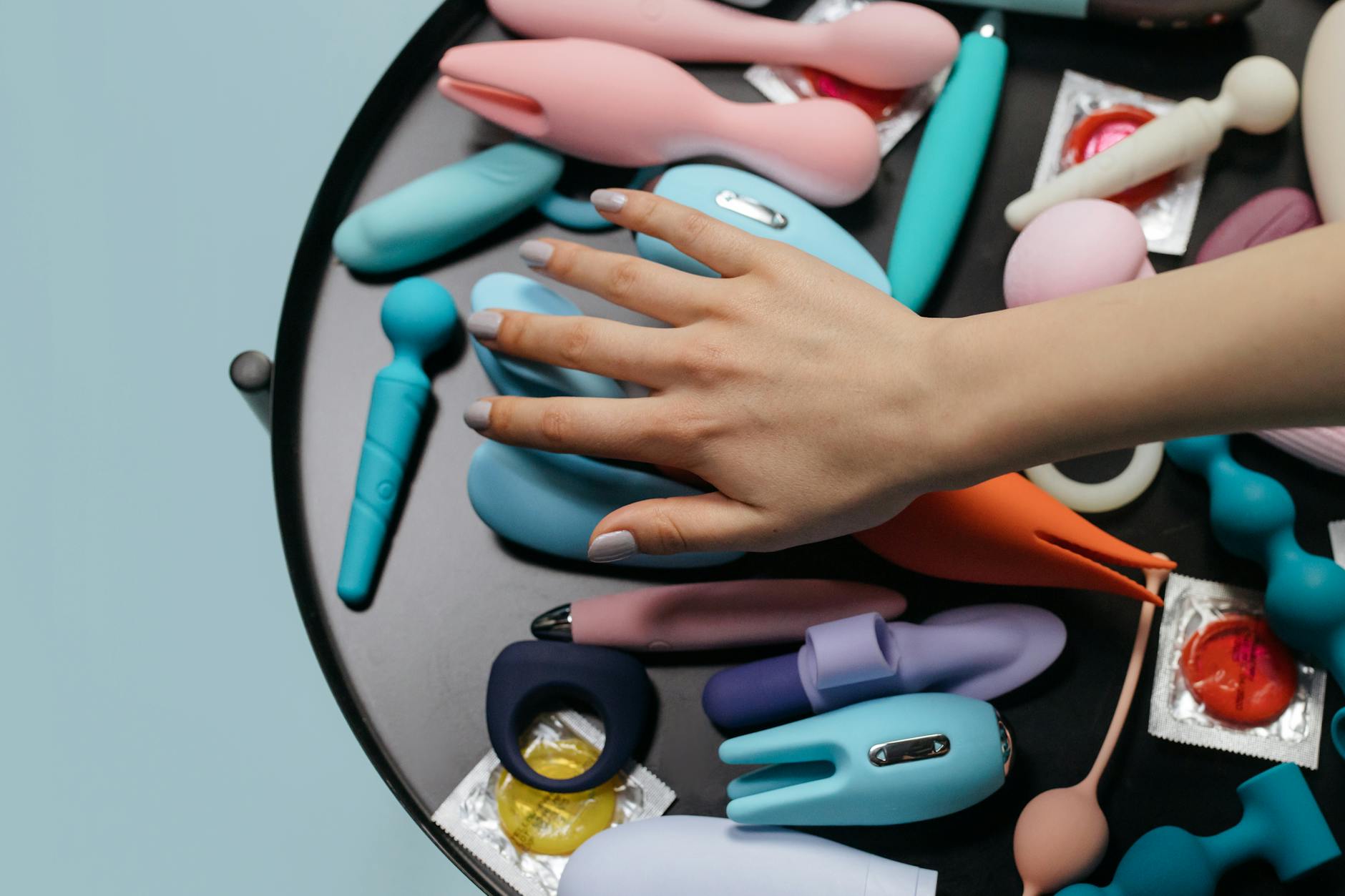
Photo by cottonbro studio on Pexels
The conversation that changes everything
The biggest mistake people make is framing it as a request or a fix. "I want to try this vibrator" or "I think this would help" puts the toy at the center. But the toy isn't the point. Connection is.
Reframe it around pleasure and exploration, not around a problem.
Try: "I've been curious about something and I wanted to explore it with you. There's this clitoral vibrator I'm interested in trying. I think it might feel good, but more importantly, I want to do it together."
Notice what's happening there. You're naming curiosity, not criticism. You're inviting them in, not shutting them out. You're saying "I want to explore with you," which is the opposite of "I want to replace you."
If they ask why, don't say "because I'm not satisfied." Say: "Because it's something new for both of us" or "Because exploring together is hot" or simply "Because I want to see how it feels and I want you there."
Timing and location matter more than you'd think
Do not bring this up during sex or right before. Do not ambush them. This conversation needs space and privacy, but it needs to happen outside the bedroom.
Good moments: after dinner when you're relaxed, during a drive, on the couch watching something. Bad moments: during an argument, when they're stressed, when you're both tired, during sex.
Have the conversation fully clothed, with no pressure. Let them sit with it. Hesitation often softens when there's no spotlight on it.
Show them it's not a threat, it's a tool
A lemon vibrator isn't a replacement. It's an addition. Saying that explicitly helps.
"I'm not looking for this to replace anything we do. I'm looking for something that might feel different and that we can explore together. You'd be right there the whole time."
If they're really nervous, you could show them pictures or describe how a lemon clitoral vibrator actually works. Sometimes anxiety drops when something stops feeling mysterious. Explain that it's a suction-based tool, that it feels totally different from a traditional vibrator, that you're curious about the sensation.
If they're still hesitant, ask what specifically worries them. Is it the toy? Is it talking about sex? Is it vulnerability? Different answers need different approaches.
The first time actually using it together
Let your partner set the pace. You're not trying to convince them. You're inviting them to watch, to touch you, to be part of it.
Start with the lem vibrator off. Let them hold it. Let them see that it's just an object. Then, when you're both ready and aroused, use it on the lowest setting. Your partner can touch you at the same time. They can kiss you. They can be as involved as they want.
The goal of that first time isn't pleasure. It's familiarity. You're showing them it's not a big deal.
Common worries and what actually helps
"It will make you less interested in me."
Probably the most common one. Counter it with truth and action. Tell them: "This is something I want to explore with you. I want you to be there." Then prove it. Use the lem vibrator when you're together. Touch them while it's happening. Make it collaborative, not solitary.
"I won't know how to use it."
Neither will you, probably. Tell them that. Laugh about it. The lemon clitoral vibrator has a couple of settings. You'll figure it out together. There's no right way.
"I feel inadequate."
This one needs tenderness. Remind them that a vibrator doesn't feel like a hand or a body. It's a different sensation entirely. Emphasize what they do that a vibrator never could. "You can kiss me. You can hold me. You make me feel close to you. This toy doesn't do any of that."
"I wasn't raised talking about this stuff."
Then give them permission to be awkward about it. Say: "I know this feels weird. It feels weird to me too. Can we be weird about it together?" Normalizing the discomfort takes power out of it.
What to do if they stay hesitant
Sometimes, after the conversation, after showing them it's not a threat, a partner still says "not yet." That's okay. Respect that.
But also check in with yourself. If you want to explore lemon vibrators and your partner's hesitation is coming from shame or control, that's a different conversation. A partner's hesitation rooted in genuine discomfort is worth honoring. A partner's hesitation rooted in "I don't want you to enjoy yourself" is a relationship problem that a toy won't solve.
The middle ground sometimes is: you use it alone, they gradually warm up to the idea. You use it, they eventually feel brave enough to try. Time softens a lot of anxiety.
After it happens, check in
The conversation doesn't end when the toy comes out. Afterward, when you're both calm, ask them how they felt. Not "Was it good?" but "How was that for you?" and actually listen.
Their answer tells you what comes next. Maybe they want to try again. Maybe they want to wait. Maybe they want to be more hands-on next time. You're building trust here, not just trying a sex toy.
A partner who's initially hesitant often becomes a partner who's genuinely curious once they see that the vibrator didn't break anything. It deepened it.
FAQ
How long does it usually take for a hesitant partner to come around to using a vibrator?
It depends on the root of the hesitation. If it's pure unfamiliarity, a few conversations and one gentle experience might shift things. If it's tied to deeper beliefs about masculinity or control, it might take months. If you're rebuilding physical connection after a long absence, the timeline might be longer. The key is not forcing it. Pressure makes hesitation worse.
What if my partner says they feel replaced by the vibrator?
That fear is telling you something real about how they experience your intimacy. Don't dismiss it. Instead, show them through action that they're not being replaced. Use the vibrator with them in the room. Involve them. Touch them at the same time. Make it collaborative rather than something that happens to you while they watch. And honestly: talk about why they feel that way. Sometimes the vibrator anxiety is about something bigger, like feeling disconnected overall.
Is it better to suggest a specific toy like a lemon clitoral vibrator or just the idea of "a vibrator"?
Specificity can help. If you say "I want to try a vibrator," it's vague and might feel scary. If you say "There's this toy called a lemon vibrator. It works with suction rather than vibration, and people describe it as feeling really different," you're giving them something concrete to imagine instead of a blank space to fill with worst-case scenarios. Showing them a picture also helps.
My partner says they're fine with it but seems uncomfortable. What's really happening?
Their words and their body might not match. They might be saying yes to make you happy while feeling deep discomfort. That's not consent. Check in: "I want to make sure you actually want this. If you're not into it, we don't do it." People often soften once they know it's genuinely okay to say no. And if they keep saying yes but looking uncomfortable, that's a signal to slow down and build more trust before trying anything new.
What if they want nothing to do with watching or participating?
Respect that boundary. You can use a lemon vibrator alone. You can use it when they're not around. Some partners eventually become curious watching you enjoy yourself, and some never do. Both are okay. The question is whether you're willing to accept that, or whether this is a dealbreaker. That's a conversation for both of you.
Can introducing a vibrator actually strengthen our relationship?
Yes, but only if it's done with care and communication. The act of talking about desire, of being vulnerable about wanting to explore, of respecting each other's hesitations. Those things matter more than the toy. When you're introducing a vibrator to your partner without awkwardness, you're building a skill set for future conversations too. The lemon vibrator is just the vehicle.
Hesitation isn't rejection. It's usually just unfamiliarity wearing an anxiety costume. Give your partner time, respect, honest conversation, and gentle introduction. Many people who start hesitant end up asking when you're going to use it next. That shift happens through care, not pressure.
Your pleasure matters. Your partner's comfort matters too. You don't have to choose between them. With the right approach, you get both.